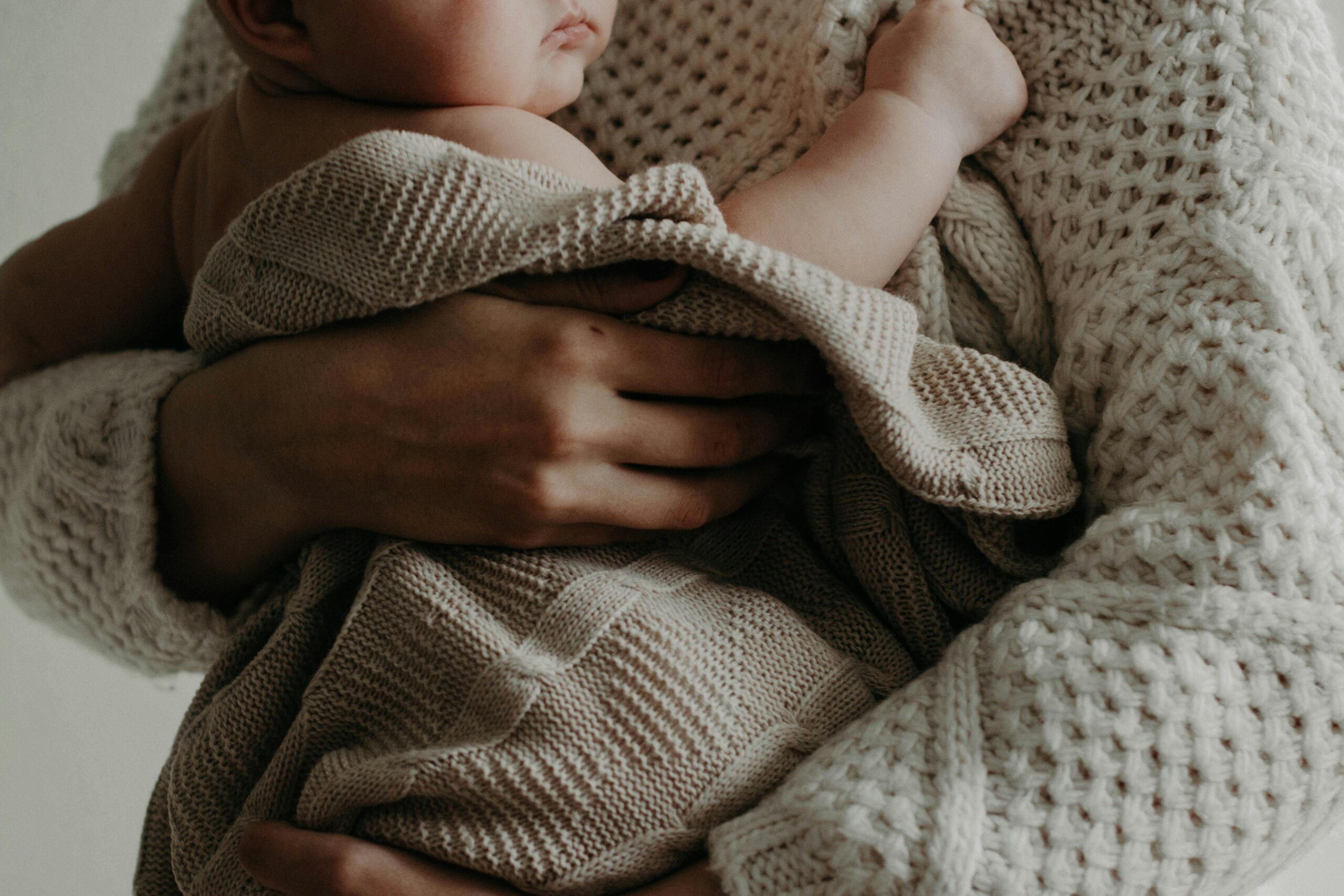


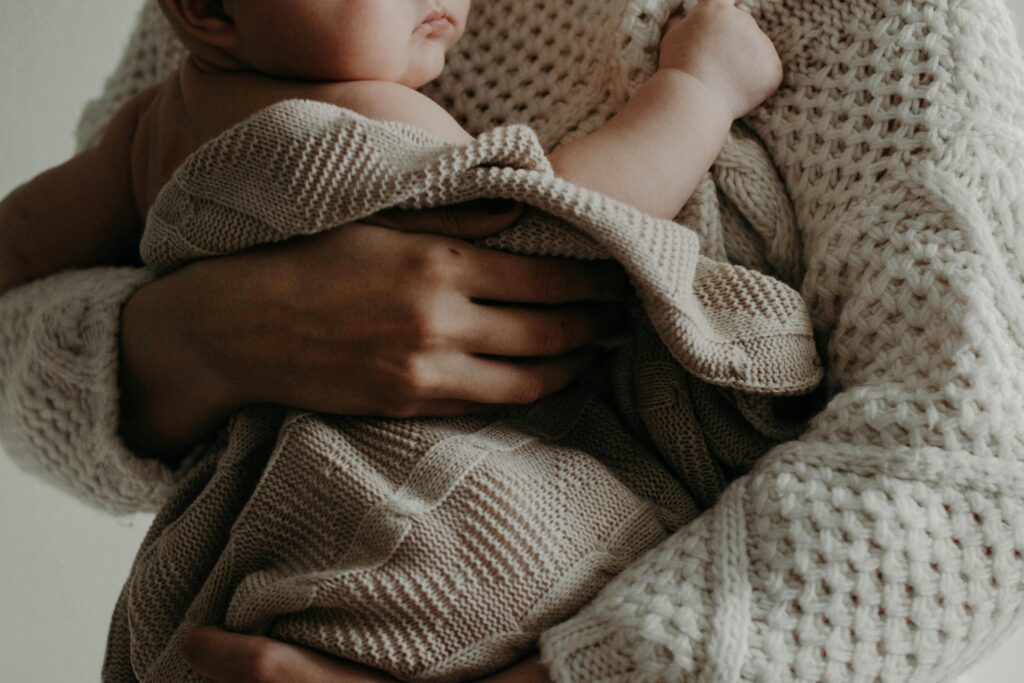
The postpartum period—often called the fourth trimester—is a time of profound transformation. Your body is healing, your hormones are shifting, your baby is adjusting to life outside the womb, and your family is learning how to function in its new shape. It is an intimate, fragile, and deeply personal stage. For many new parents, the constant pressure to host visitors or entertain well-meaning family members can quickly become overwhelming. That’s why choosing to have no visits during postpartum is not only valid, it is often the healthiest decision you can make.
In the early days and weeks after birth, parents need space, rest, and emotional safety. Welcoming visitors might sound harmless, but it can add stress at a moment when your nervous system is already working at its limits. Instead of resting or bonding with your baby, you may feel the urge to tidy up, be presentable, or engage in conversation when what your body truly needs is time to heal. A quiet, private environment gives you the freedom to move slowly, follow your baby’s rhythm, and respond to your own needs without feeling watched or rushed.
Setting a “no visits” boundary also protects the newborn’s environment. Babies are still building their immune systems, and the fewer people they are exposed to, the safer they are in those early weeks. Limiting external stimulation helps them feel secure, regulate their senses, and ease into life gently. This is not about being overly cautious: it’s about acknowledging how delicate the newborn stage really is.
Emotionally, a visitor-free postpartum allows you to bond with your baby in a natural, uninterrupted way. Skin-to-skin contact, responsive feeding, and the simple act of being together shape attachment and support your baby’s development. These are precious moments that can easily be disrupted by visits, even brief ones. Parents often feel torn between caring for their guests and caring for themselves. Choosing privacy removes that conflict completely.
Of course, many families feel pressured by cultural expectations or fear disappointing relatives. But setting boundaries is an essential part of parenthood. A polite, clear message such as “We are taking the first weeks to rest, recover, and bond privately. We’ll let you know when we’re ready for visits” is both respectful and firm. You do not owe further explanations. Your wellbeing is reason enough.
Ultimately, postpartum is not a social event: it is a recovery period. You have the right to protect it. Saying “no visitors” isn’t selfish; it is deeply protective, both for you and your baby. When you’re ready, visits can happen on your terms, at your pace, and in a way that supports your new family rather than overwhelming it.
Your home, your baby, your healing. And your rules.